Player Adaptation Techniques for European Versus American Wheel Dynamics in Digitally Delivered Casino Environments Regulated in the United Kingdom
Written by David Roth · Sep 25, 2026
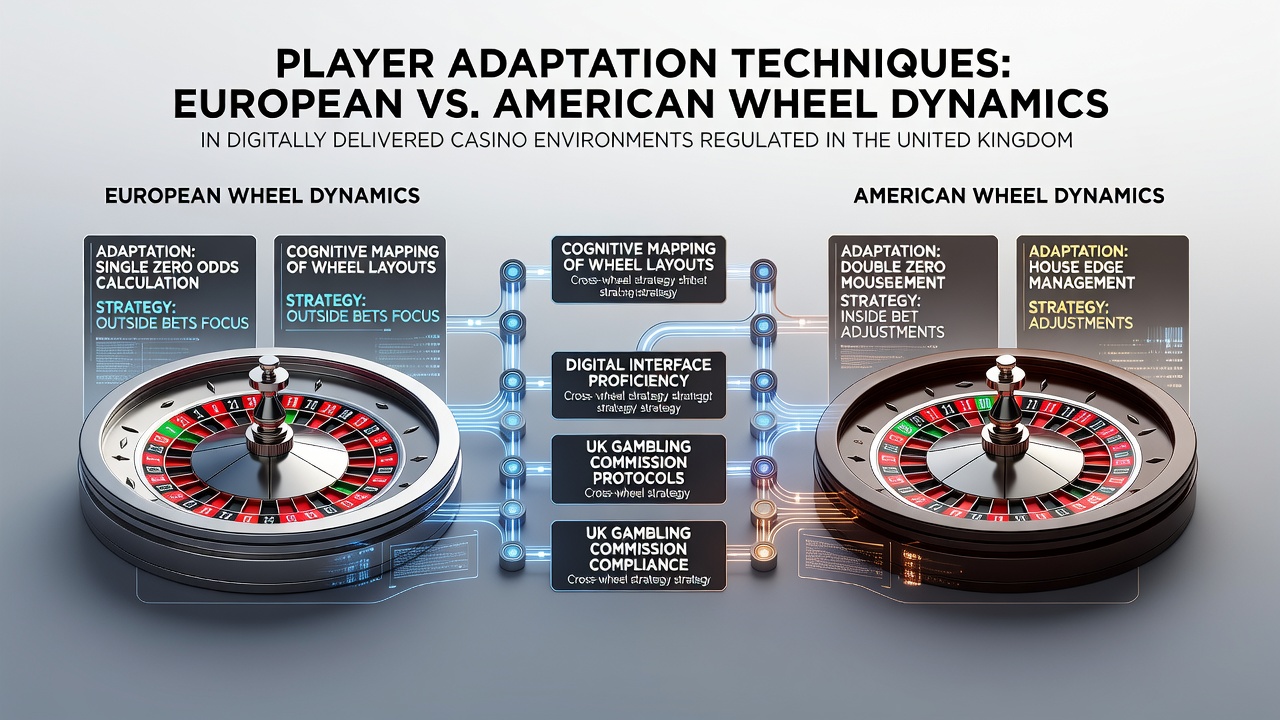
Player Adaptation Techniques for European Versus American Wheel Dynamics in Digitally Delivered Casino Environments Regulated in the United Kingdom
European wheels feature a single zero pocket while American versions include both a zero and double zero which creates distinct house edges of 2.7 percent and 5.26 percent respectively and players in United Kingdom regulated digital environments must adjust their approaches accordingly when switching between these formats during streamed sessions. Observers note that the layout differences extend beyond pocket counts because American wheels position the zeros opposite each other which alters the distribution of high and low numbers around the circumference compared to the more balanced European arrangement.
Core Mechanical Distinctions
Research from the Nevada Gaming Control Board indicates that American wheel dynamics introduce higher volatility in short sessions because the additional zero increases the frequency of house wins on even money bets and this requires participants to recalibrate their stake sizing when moving from European to American variants in online platforms. Those who study these configurations find that European wheels allow for more predictable progression systems since the lower house edge supports longer bankroll sustainability whereas American setups demand tighter loss limits to counteract the elevated risk per spin.
Adaptation Methods in Digital Streams
Players often discover that real time decision frameworks benefit from pre session mapping of wheel specific bet placements such as placing larger wagers on column bets in European formats where the single zero reduces payout imbalances while scaling down similar bets on American wheels to maintain overall exposure levels. Data shows that digital delivery systems in regulated markets provide instant access to both wheel types through live dealer interfaces which means adaptation techniques include monitoring wheel identification markers at the start of each session and switching between strategy presets stored in player accounts.
Bankroll and Session Management Approaches
Effective techniques involve segmenting funds into separate European and American allocations because the variance difference means American play typically consumes capital at nearly twice the rate of European equivalents during equivalent spin volumes and this segmentation helps maintain control across mixed sessions. Experts have observed that setting adaptive stop loss thresholds works well when participants calculate expected value per wheel type in advance then apply those figures to real time adjustments as stream latency or dealer speed changes affect spin frequency.

Regulatory Influences on Platform Offerings
Industry reports from the European Gaming and Betting Association reveal that licensed operators must display wheel type clearly in digital interfaces and this transparency requirement supports player adaptation by providing immediate visual cues before bets are placed. Those who track platform updates note that upcoming compliance reviews scheduled around September 2026 may introduce further standardization of wheel information displays which could streamline switching processes for participants who alternate between formats within single sessions.
Practical Techniques and Tools
One approach that surfaces repeatedly involves using built in platform simulators to practice transitions between wheel types before committing real stakes since these tools replicate the exact dynamics of European and American configurations without financial exposure. Another method centers on tracking personal results by wheel category over multiple sessions to identify personal variance patterns then refining bet sizing rules based on that historical data rather than general assumptions. Observers note that combining these tracking habits with real time wheel verification steps creates a feedback loop that improves decision accuracy across digitally delivered environments.
Conclusion
Adaptation to European versus American wheel dynamics in United Kingdom regulated digital casino settings relies on understanding mechanical differences then applying targeted adjustments to betting patterns bankroll division and session parameters. Figures reveal that structured preparation combined with platform provided tools enables consistent handling of the two formats while regulatory frameworks continue to emphasize clear information delivery that supports informed player choices.